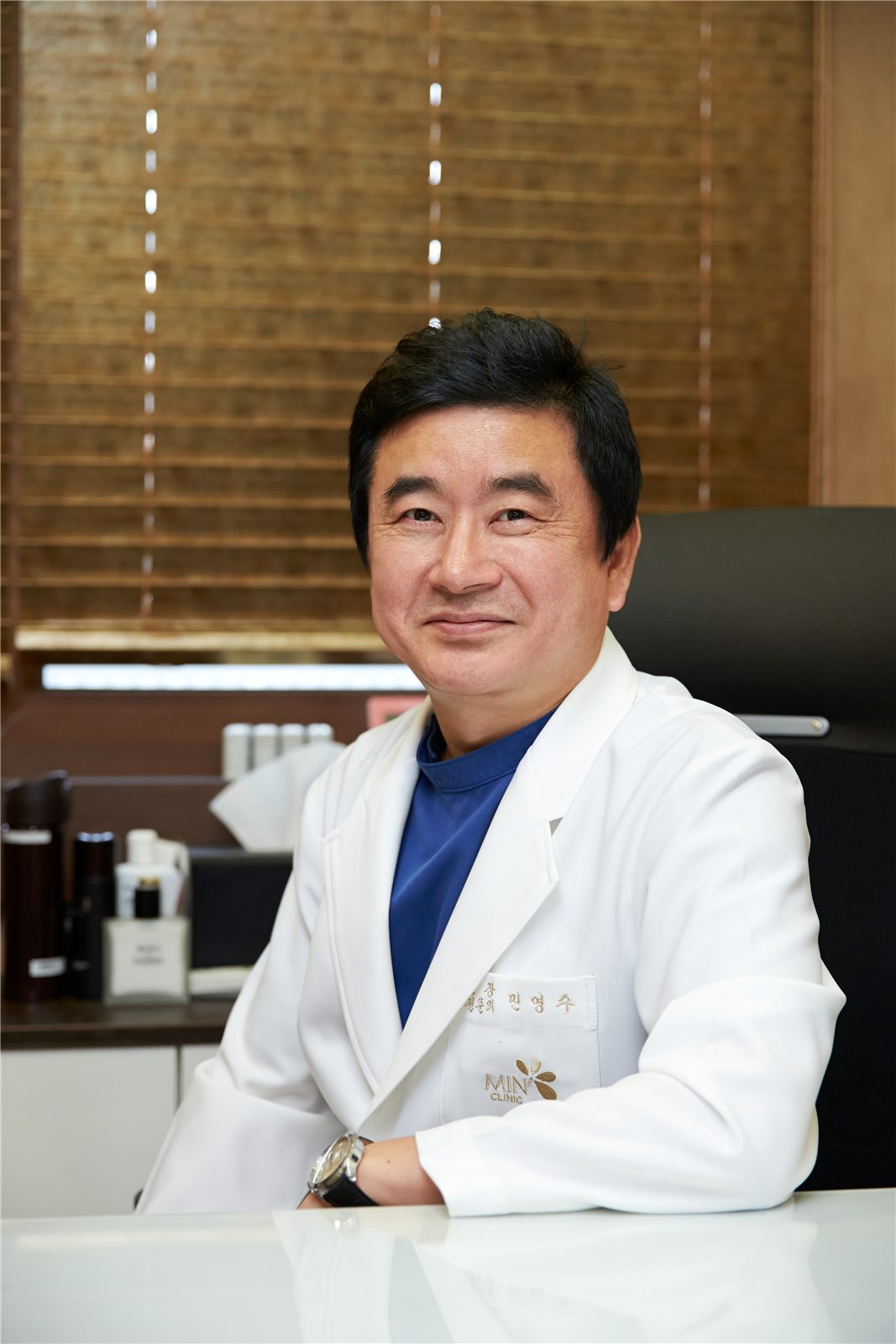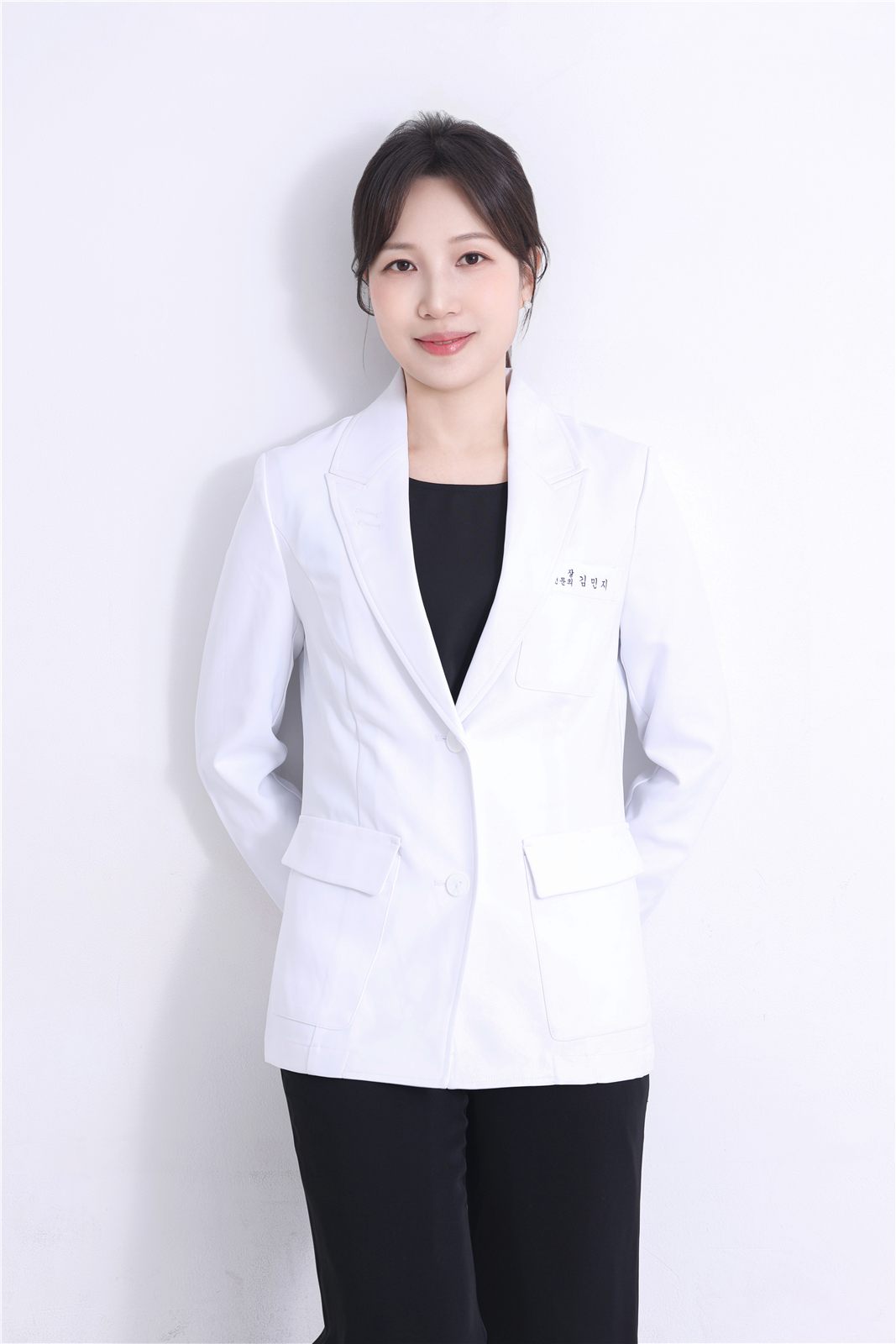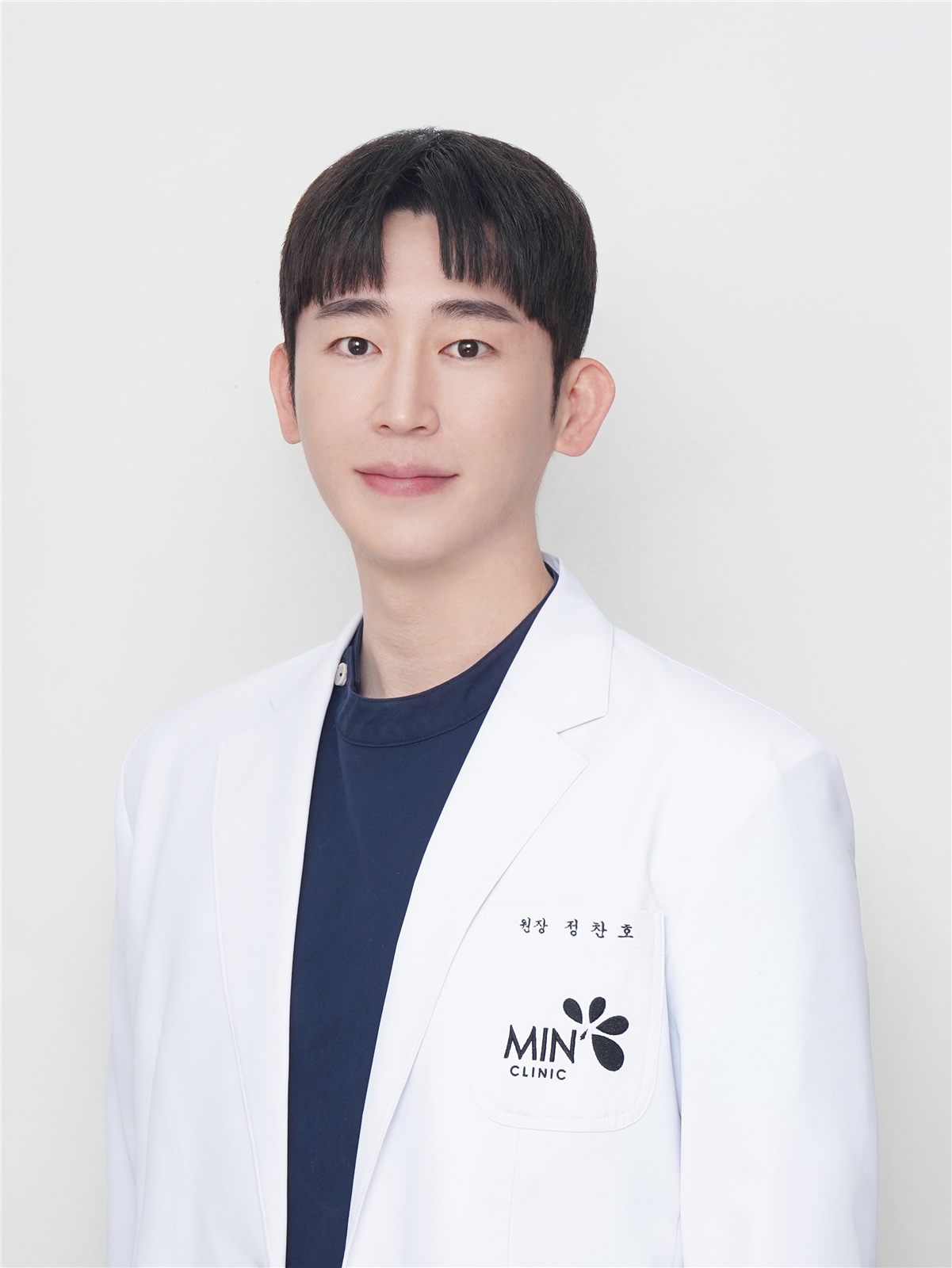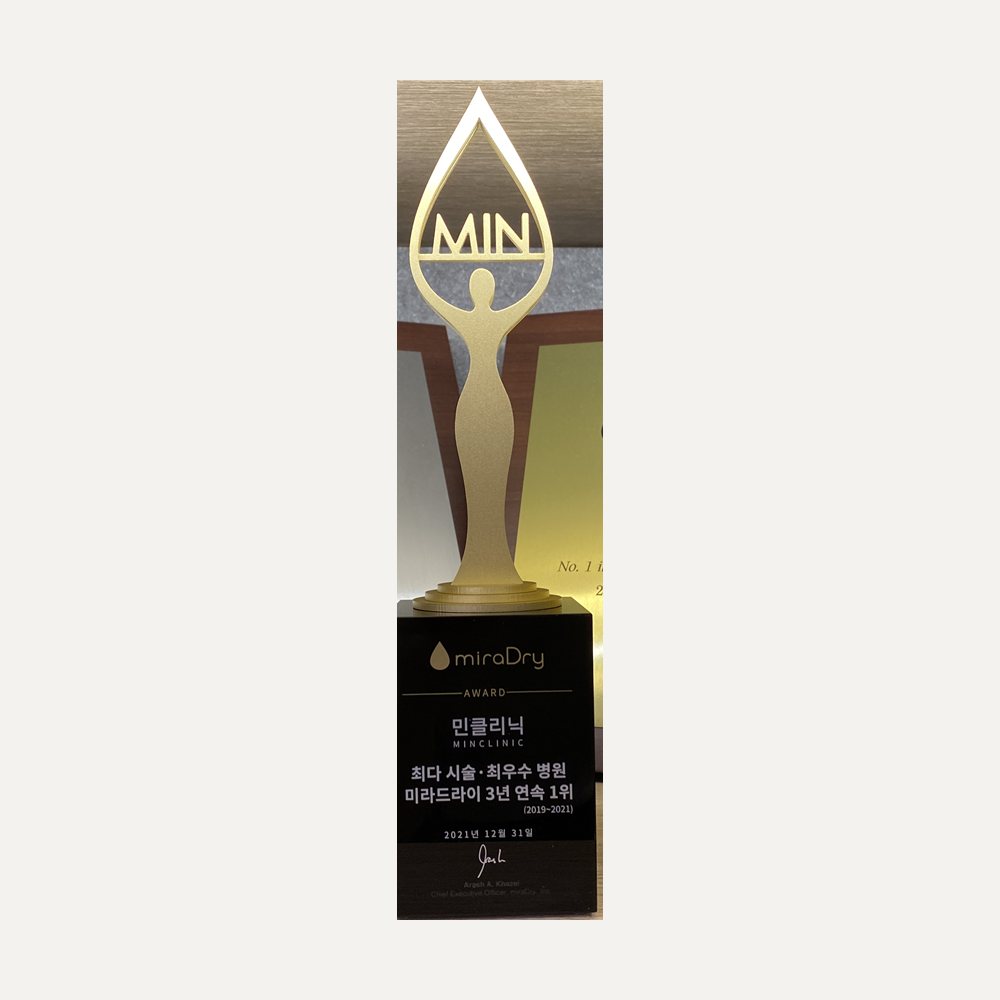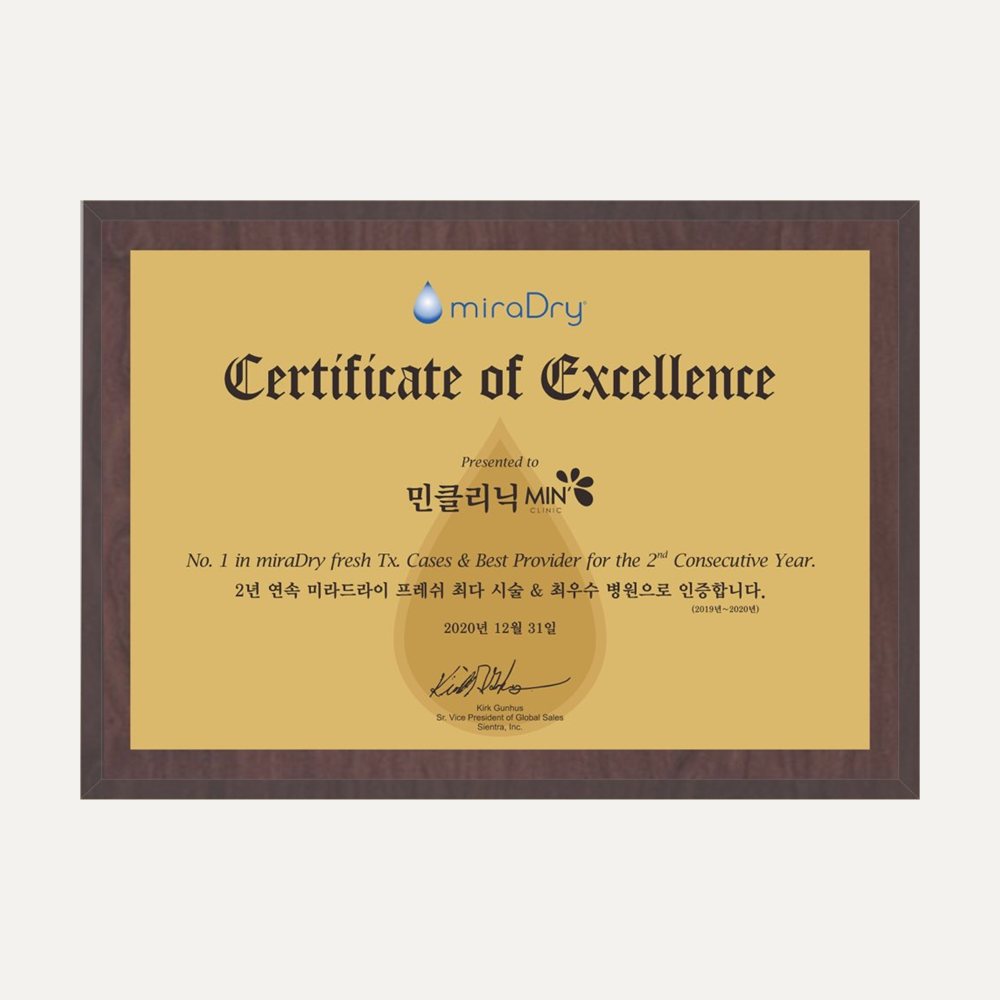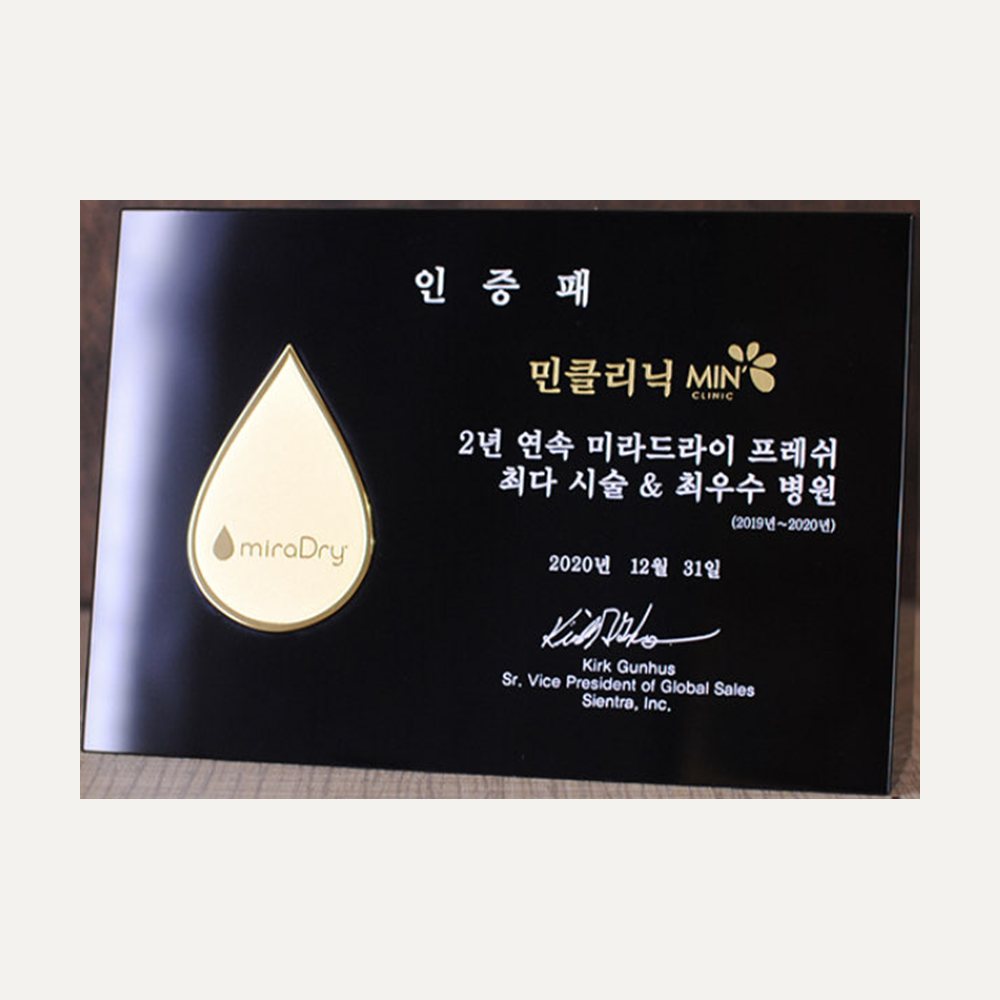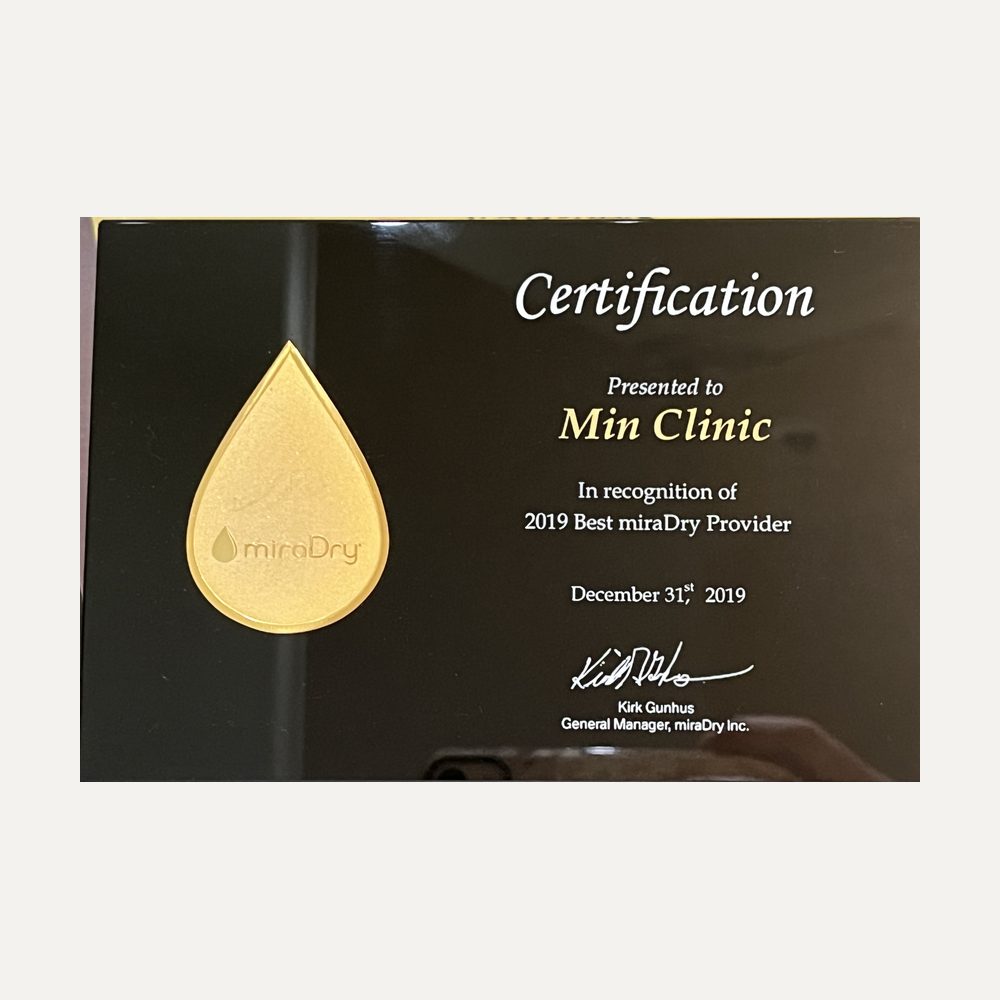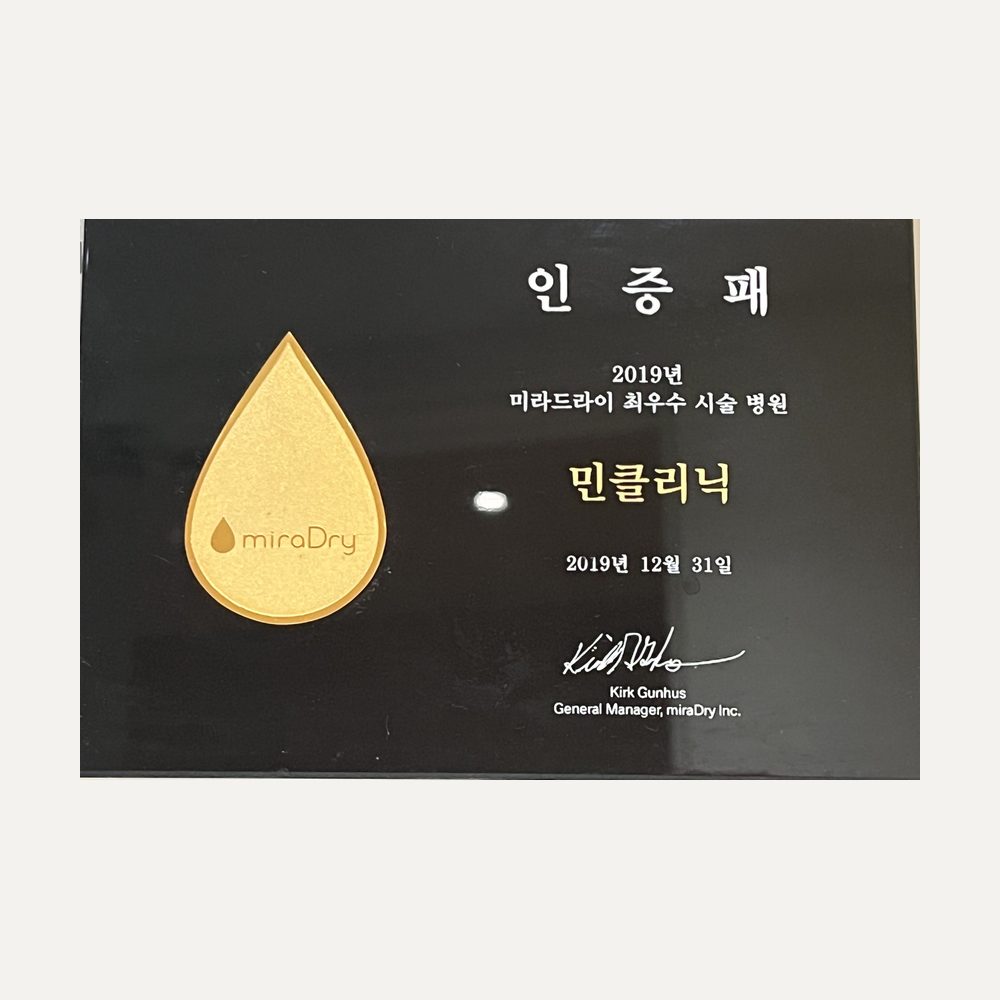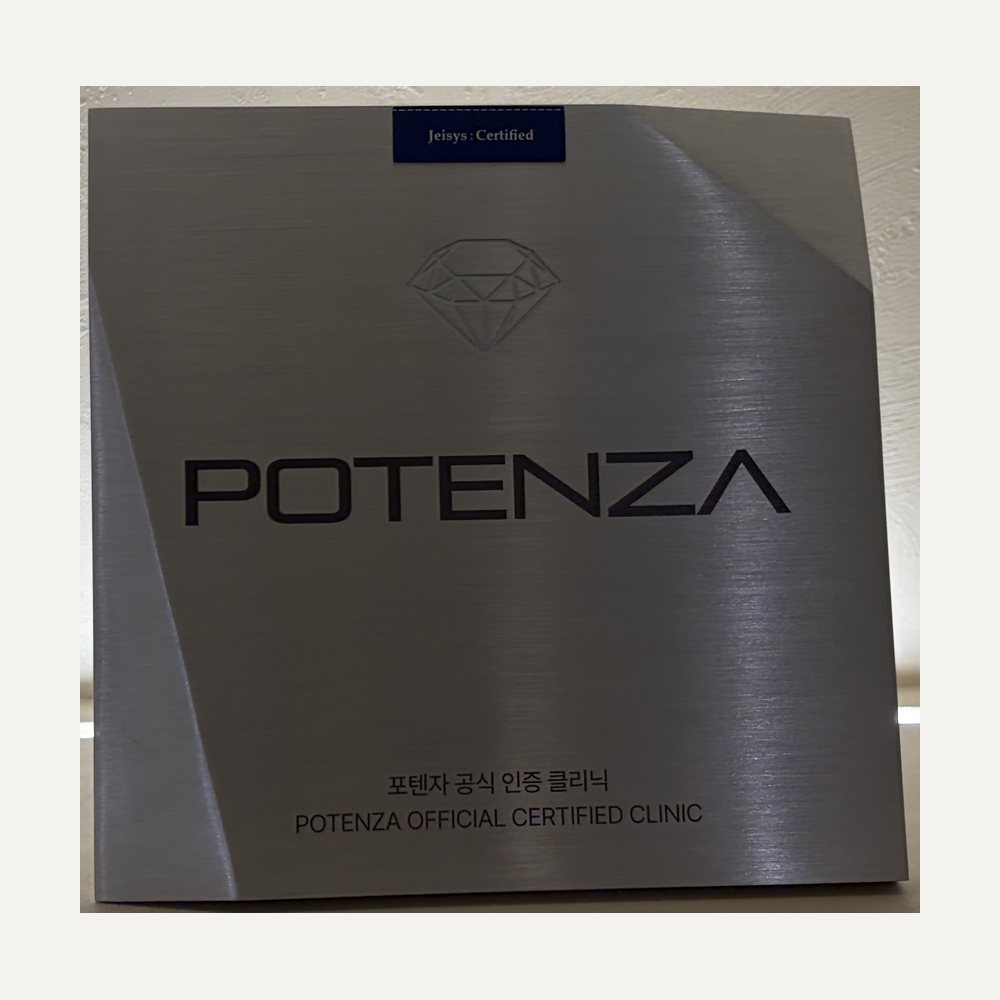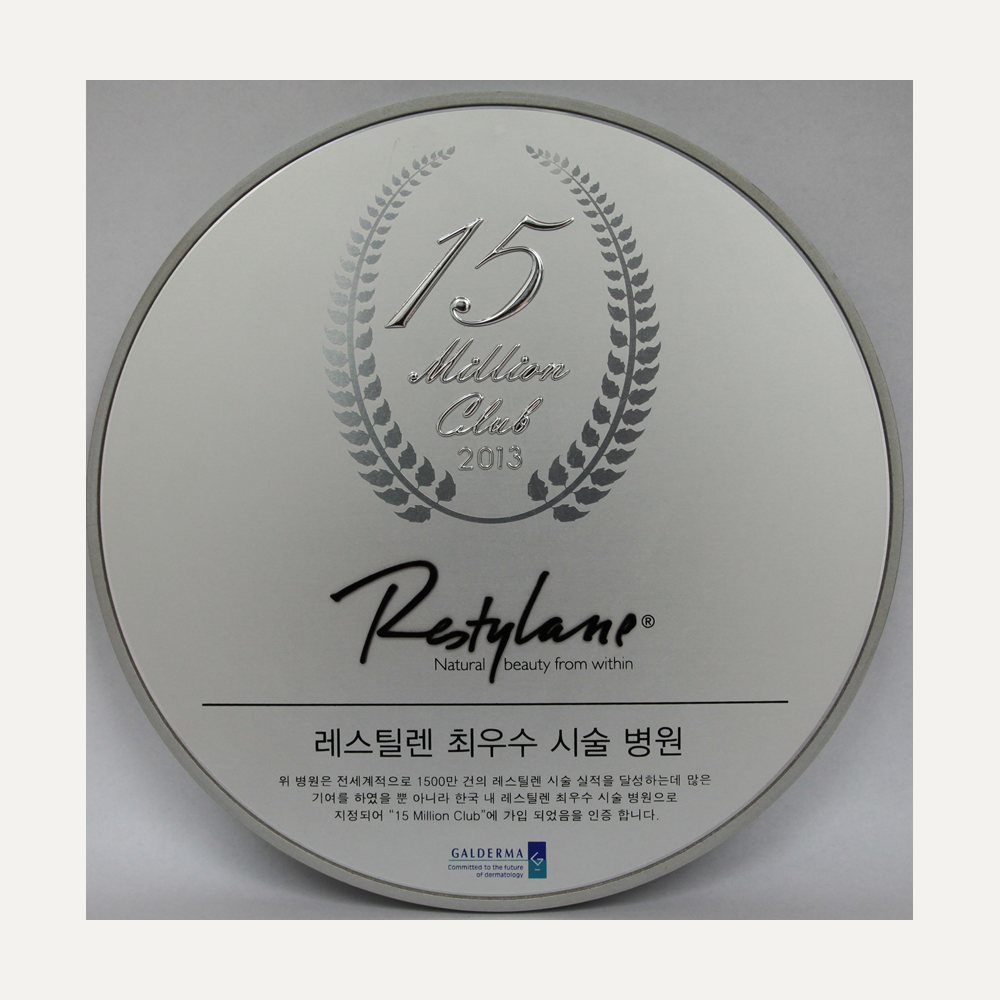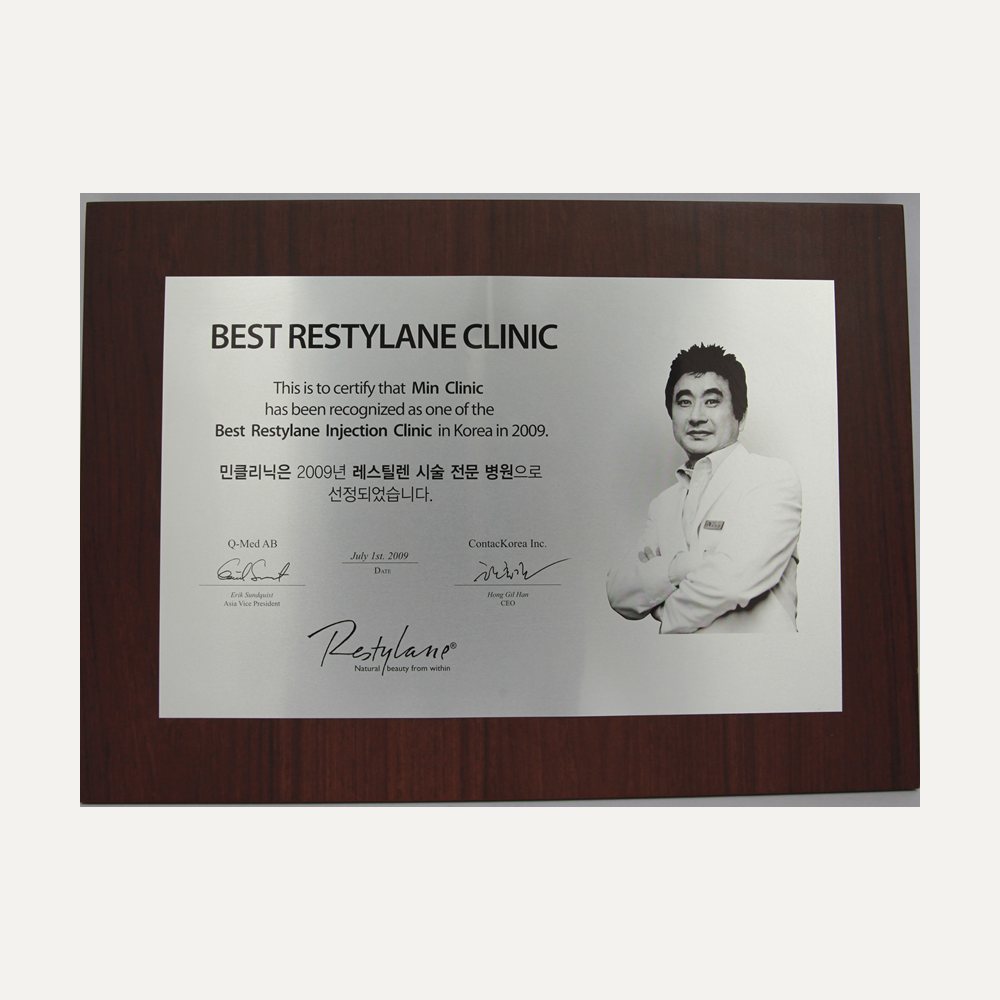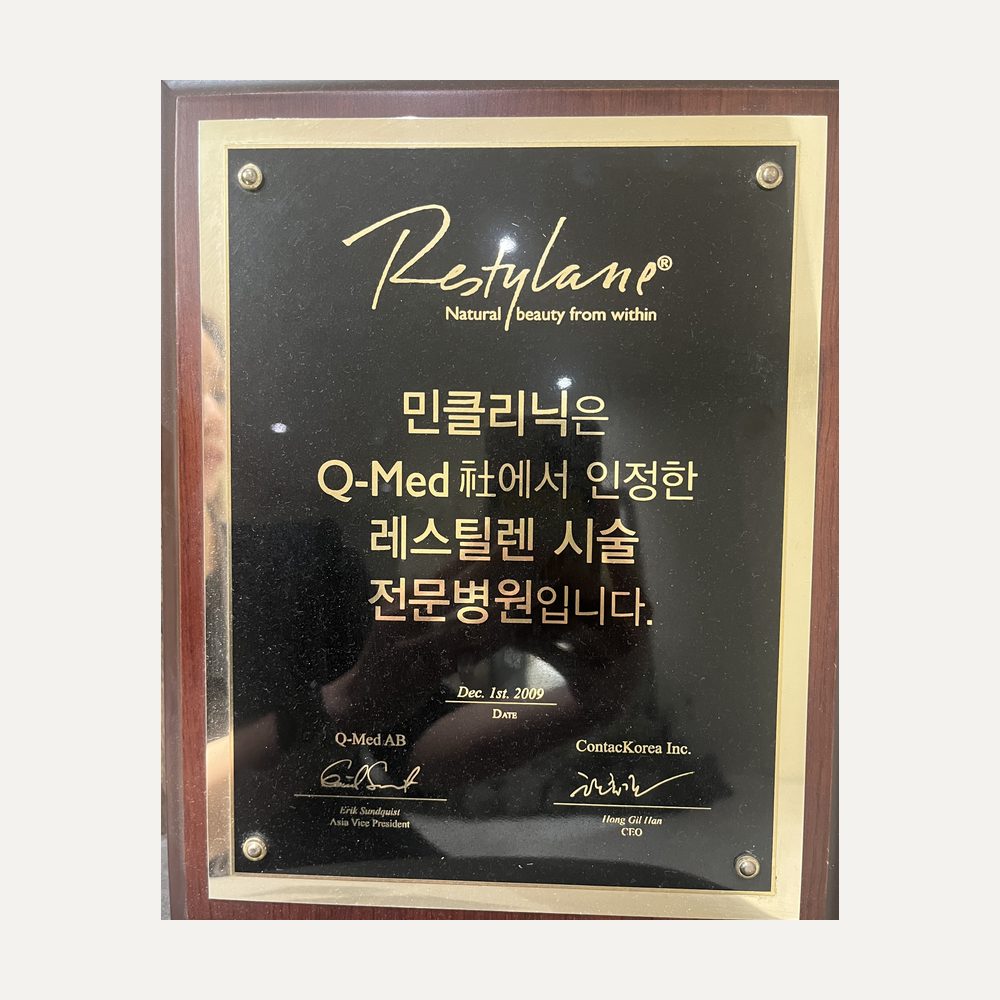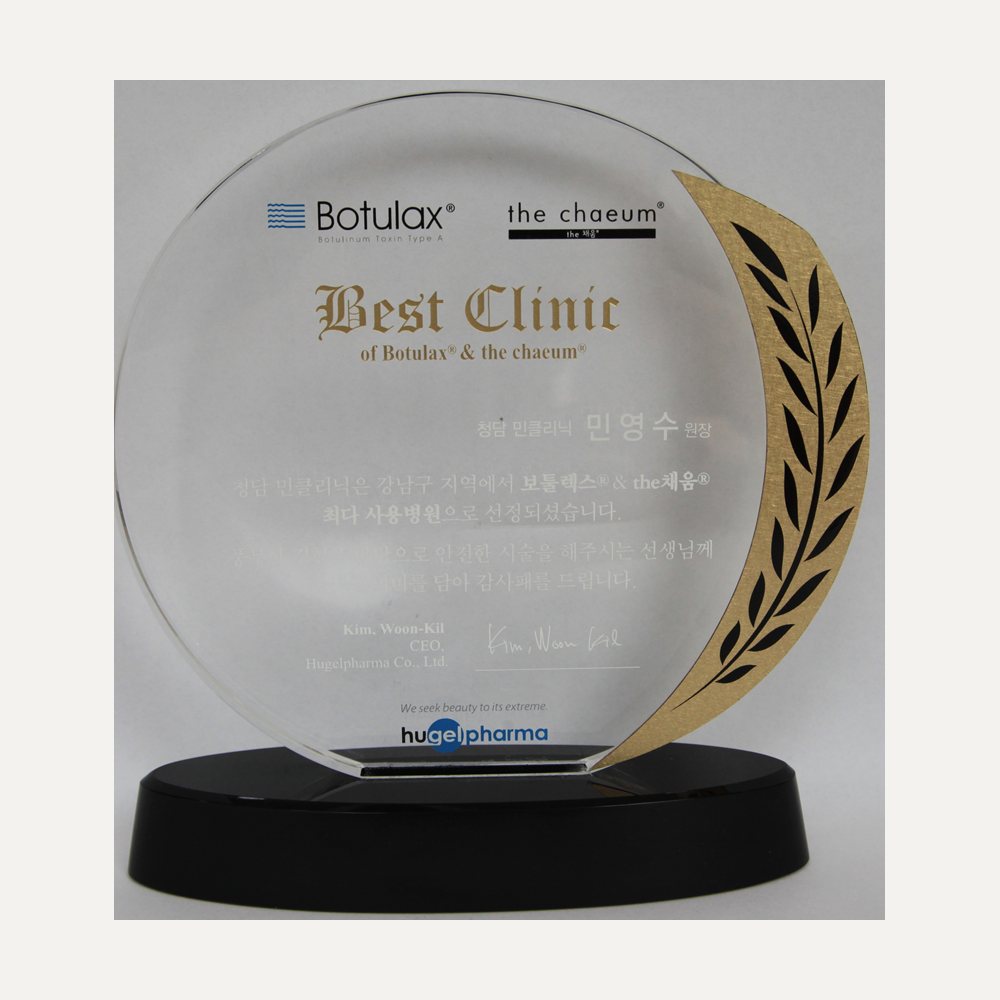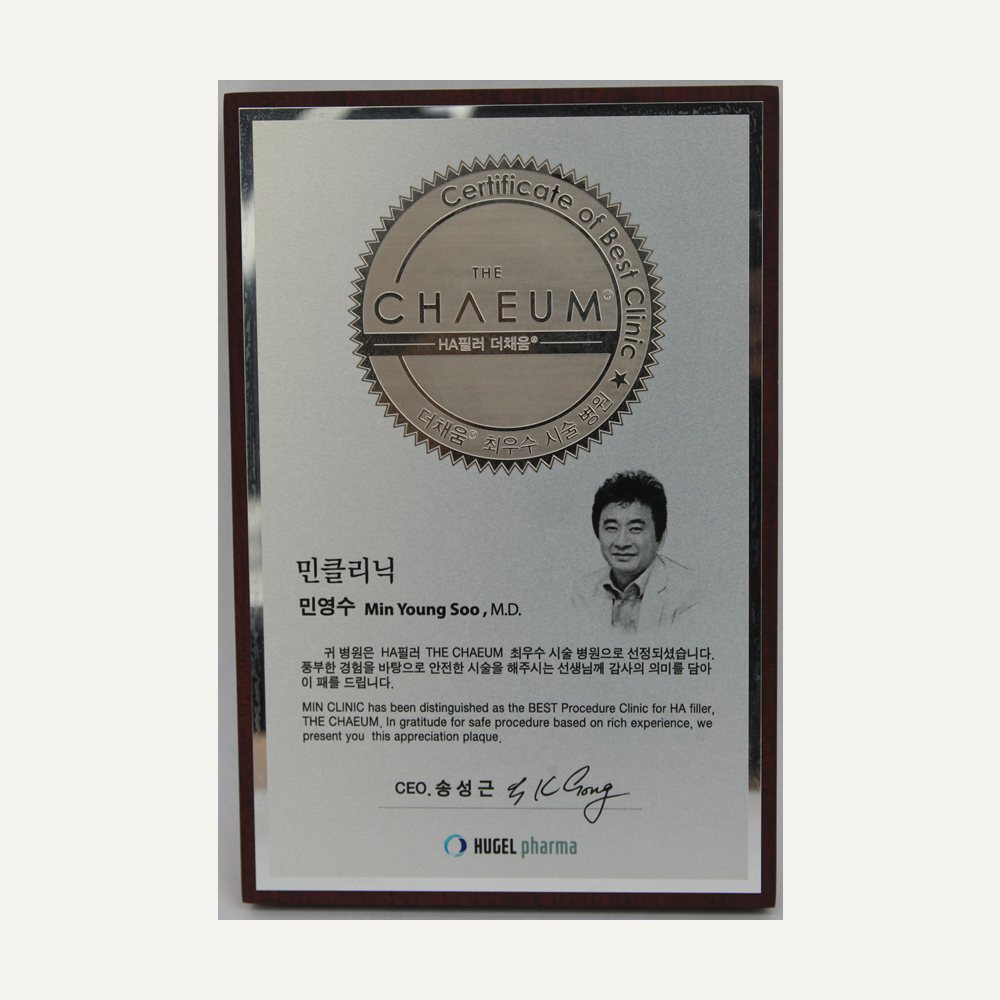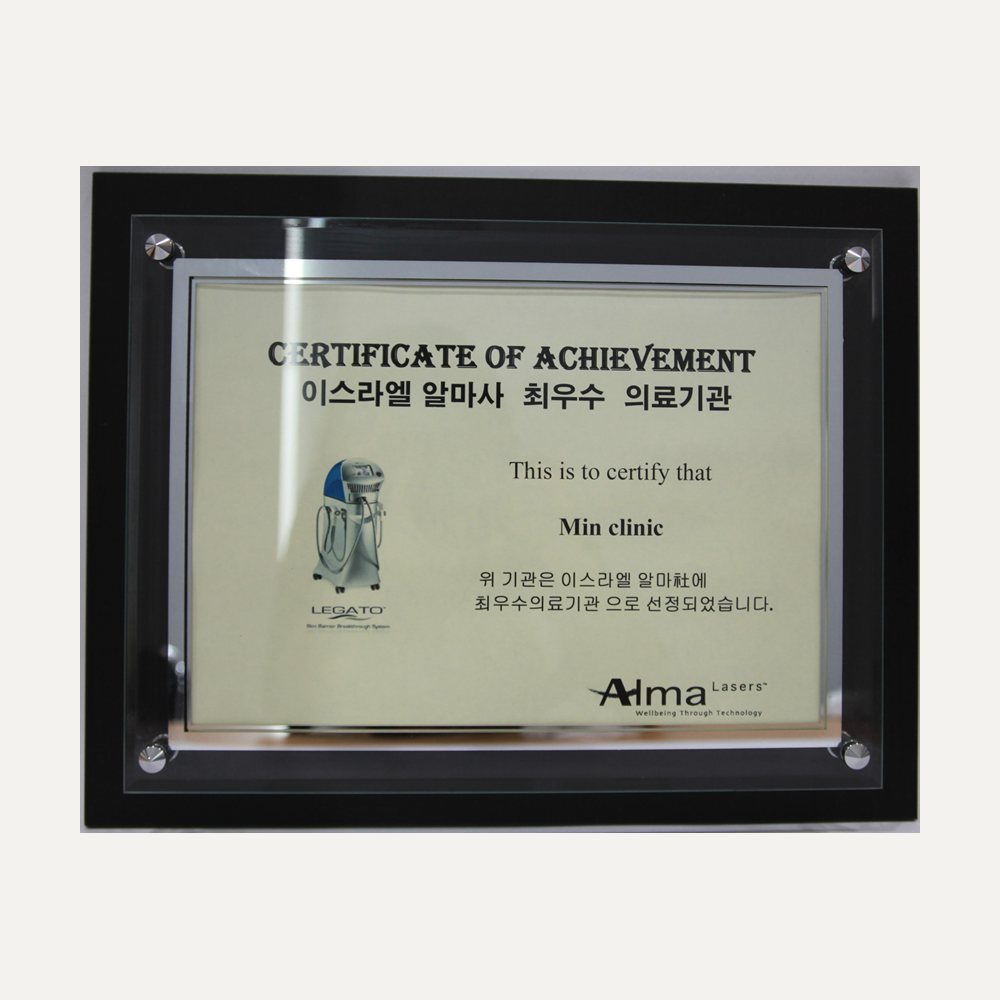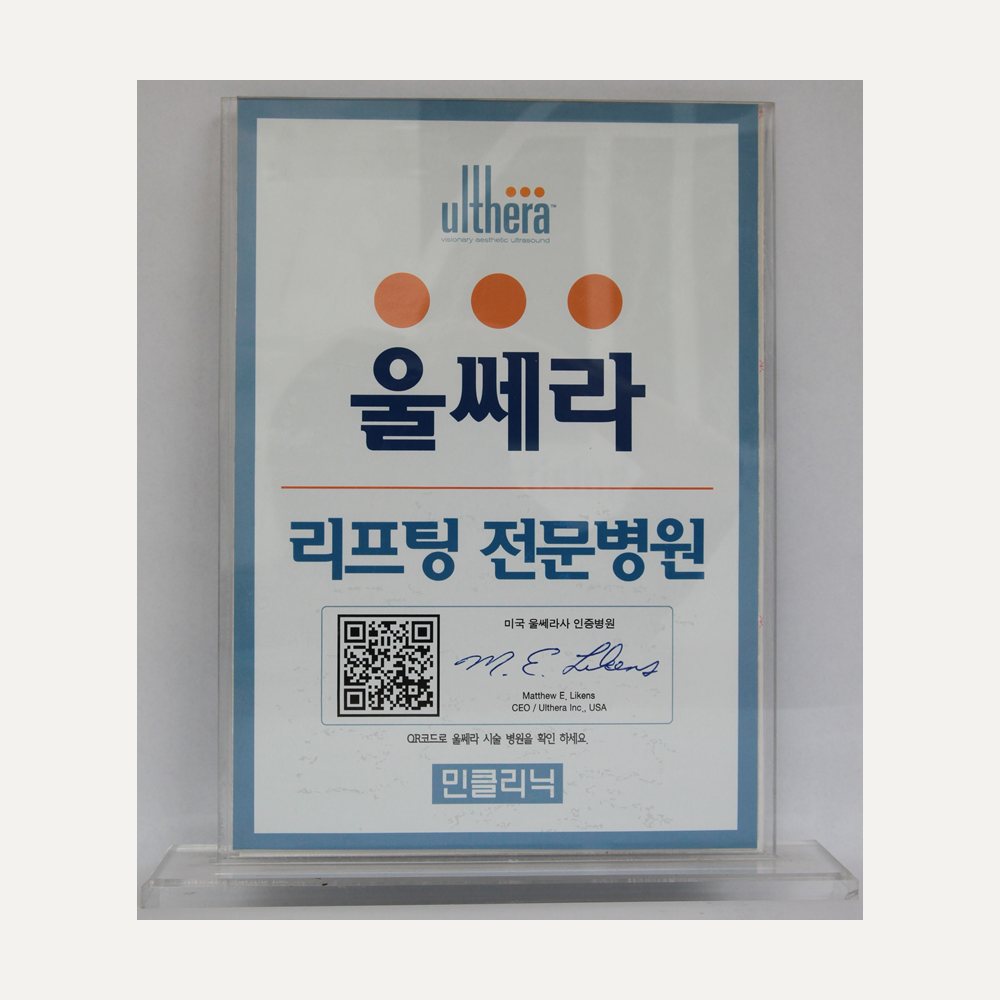
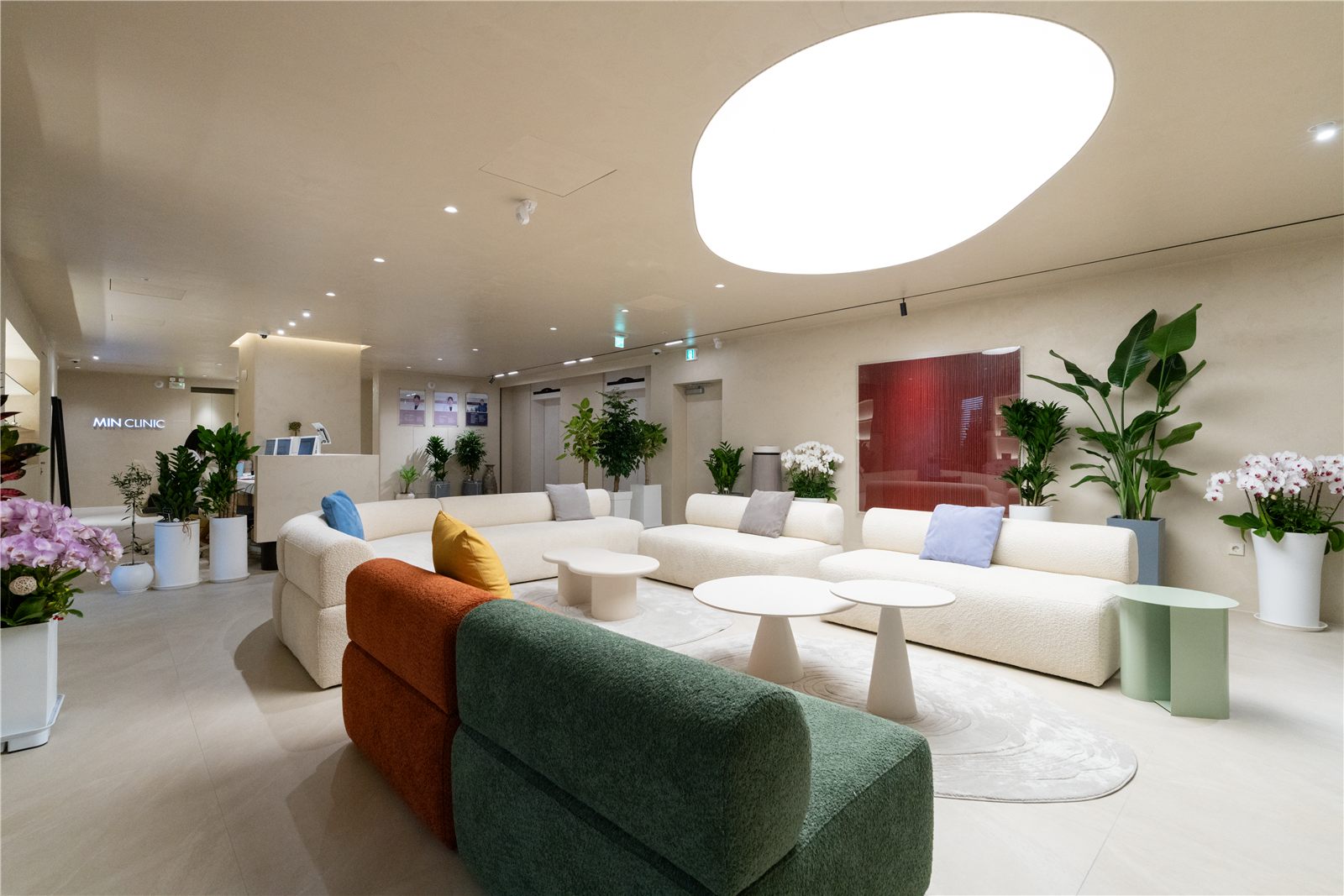
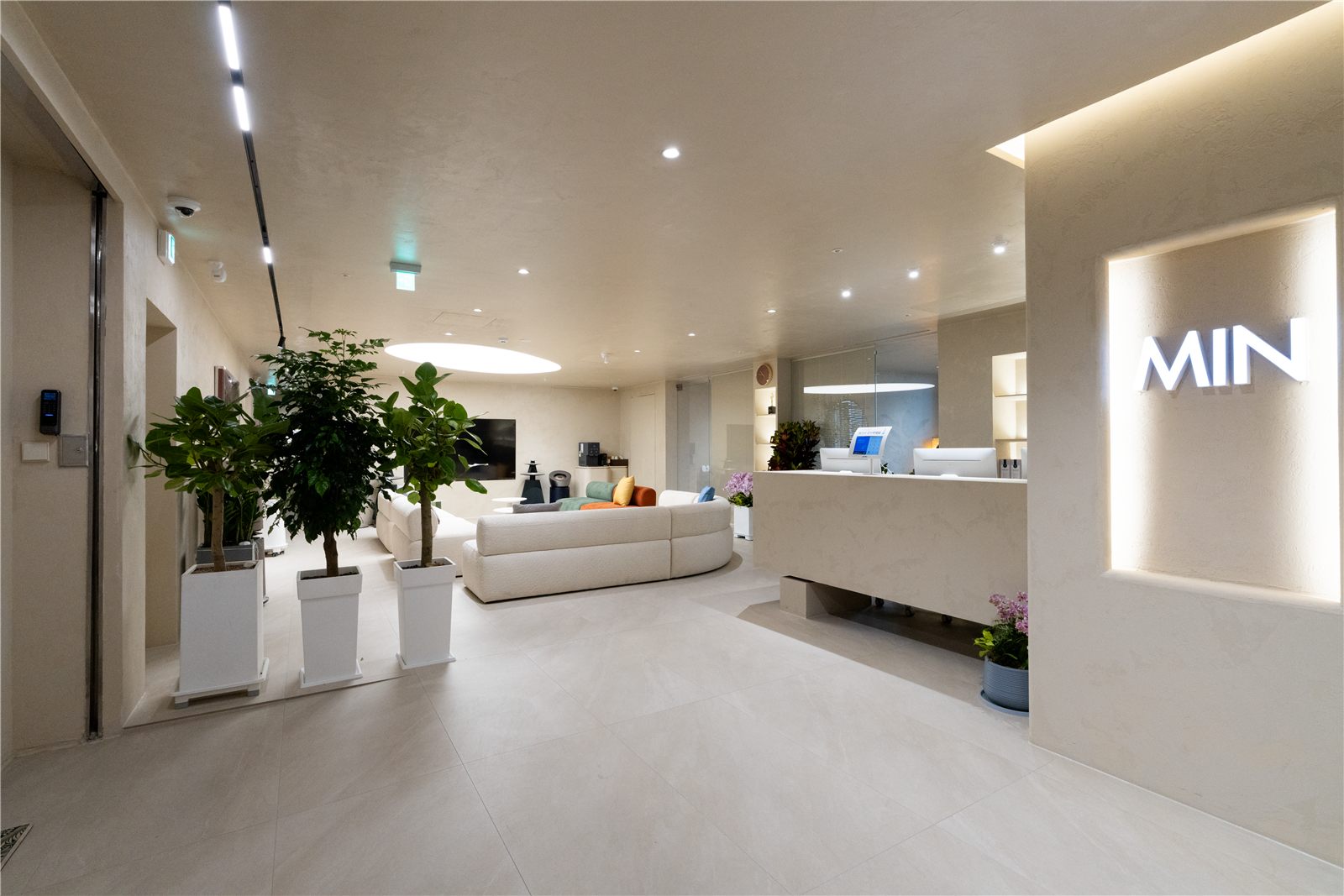
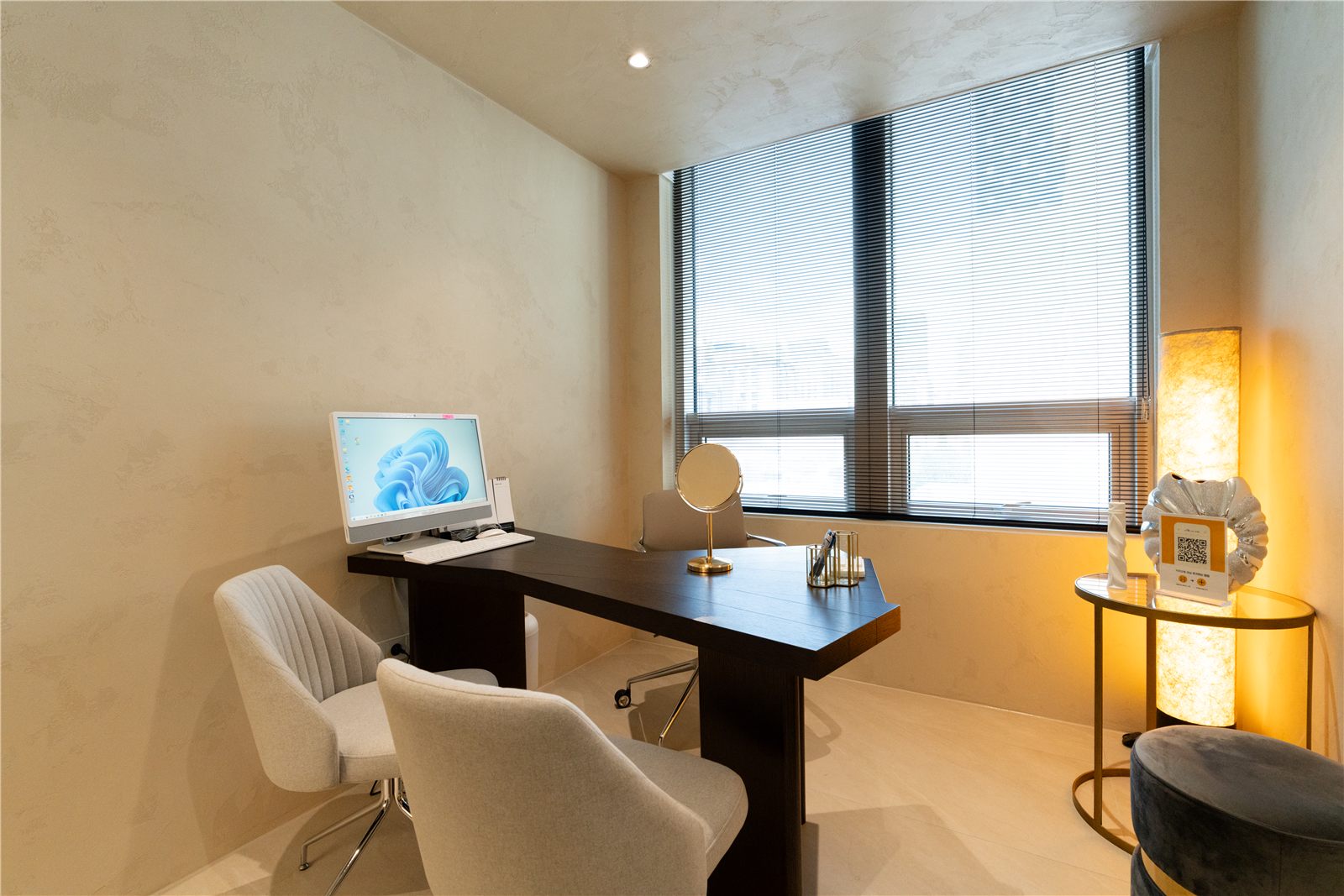
At Min Clinic in Nonhyeon-dong, a doctor evaluates the patient and performs ONDA using an authentic DEKA ONDA system. The treatment area, the combination of 3 mm and 7 mm handpieces and the distribution of energy in kilojoules (kJ) are individually designed according to skin thickness, skin laxity, fat distribution and treatment goals. The device authenticity certificate is displayed at the clinic.
How to Evaluate ONDA Treatment in Gangnam and Cheongdam
Confirm the exact device
Ask the clinic to identify the exact ONDA system used for treatment. Min Clinic uses an authentic DEKA ONDA device, and its device authenticity certificate is displayed at the clinic.
ONDA is an energy-based device treatment. It does not involve a vial or a single-use treatment tip that needs to be opened before each session. Authentication methods differ among treatments, so product stickers, holograms and shot-count checks used for other procedures should not be presented as ONDA authentication methods.
Compare the treatment design, not only the device name
Using the same device does not mean every patient receives the same treatment. A meaningful ONDA plan should identify:
* The facial or body area being treated * The planned energy level in kJ * The selection or combination of 3 mm and 7 mm handpieces * How the energy will be distributed across the treatment area * Who will perform the procedure * What is included in the quoted price
Higher energy or using a particular handpiece is not automatically better. The doctor should determine the plan according to the patient’s anatomy, skin condition, fat distribution and goals.
Compare quotes under the same conditions
ONDA pricing at Min Clinic is based on the planned energy level in kJ. Two quotes are only directly comparable when the treatment area, energy level, device, operator and included services are similar.
A lower price may reflect a smaller treatment area or a lower planned energy level. Compare the clinical plan first and the final price afterward.
Confirm who performs the procedure
At Min Clinic, ONDA and other medical aesthetic procedures are performed by a doctor. Skincare treatments are provided separately.
The doctor assesses the patient, determines the treatment range, selects or combines the handpieces and adjusts the energy distribution. This should not be expanded into a claim that every service at the clinic is performed by a doctor.
What ONDA Is and What It Targets
ONDA is a nonsurgical, energy-based treatment that uses DEKA’s 2.45 GHz Coolwaves microwave technology. It is designed for concerns such as localized fat, cellulite and skin laxity.
The system includes 3 mm and 7 mm handpieces. These are not assigned to fixed body parts solely according to depth. The doctor may select one handpiece or combine both after considering:
* Skin thickness * Degree of skin laxity * Amount and distribution of localized fat * Facial or body treatment area * Individual treatment goals
At Min Clinic, the handpiece combination and energy allocation are planned individually rather than applied through a fixed protocol.
Patients may notice an initial feeling of tightness after treatment. Changes may become more noticeable over approximately two to four weeks, with the contour continuing to develop gradually over the following two to three months. The timing and degree of change vary among individuals.
ONDA Planning for Male Patients
Min Clinic does not apply a separate ONDA treatment standard based on sex.
For male patients, as with all patients, the doctor evaluates skin thickness, skin laxity, fat distribution, facial structure or body build and the specific area of concern. Treatment is then designed according to the individual patient rather than generalized assumptions about male skin, facial hair or oil production.
Facial concerns
For the lower face, jawline or under-chin area, the doctor evaluates the degree of skin laxity and localized fat before deciding:
* Whether ONDA is suitable * Which areas should be included * Whether the 3 mm or 7 mm handpiece, or a combination of both, is appropriate * How much energy should be applied * How the energy should be distributed across the area
Facial hair or shaving routines may be discussed if they affect skin irritation on the treatment day, but they do not create a separate male ONDA protocol.
Body concerns
For areas such as the upper arms, abdomen, thighs or bra-line area, treatment range and energy are adjusted according to the size of the area, fat distribution, skin condition and body build.
Examples of energy ranges used as planning references at Min Clinic include:
* Upper arms: approximately 100–200 kJ * Partial abdomen: approximately 100–200 kJ * Thighs: approximately 200 kJ * Bra-line area: approximately 100–200 kJ
These figures are general references rather than guaranteed prescriptions. The doctor determines the actual energy and treatment range after examining the patient.
Combining ONDA with other treatments
ONDA may be considered on its own or as part of an individualized plan. Depending on the concern, the doctor may also consider treatments such as:
* Ultherapy PRIME * 10Therma * QuickSlim injections, a fat-dissolving injection treatment
These treatments use different mechanisms and are not automatically combined. The appropriate treatment or combination depends on whether the main concern is skin laxity, localized fat, facial structure or overall contour.
What Happens at Min Clinic
Consultation process
A senior consultation manager conducts the initial consultation. When appropriate for a facial treatment, an EVE V MUSE skin analysis may also be performed.
The doctor then evaluates the patient’s skin laxity, skin thickness, fat distribution and treatment area. Based on this assessment, the doctor designs:
* The treatment range * The selection or combination of 3 mm and 7 mm handpieces * The total energy level in kJ * The distribution of energy across the treatment area
The skin-analysis results do not automatically determine the treatment plan. The final medical assessment and ONDA design are completed by the doctor.
Patients may attend a consultation without committing to treatment. Same-day treatment may be available depending on the clinic’s schedule and the doctor’s assessment.
English interpretation is available by appointment. Chinese and Japanese assistance is also available.
Doctor-performed treatment
A doctor performs the ONDA procedure at Min Clinic. The doctor follows the individually designed plan and may adjust the treatment according to the area and the patient’s response during the procedure.
ONDA uses an integrated cooling system and a moving application technique. Many patients describe the procedure as having a relatively low pain burden, although heat, pressure or discomfort can vary depending on the treated area, energy level and individual sensitivity.
Topical anesthetic cream should not be described as a standard inclusion for ONDA.
Device authenticity
Min Clinic uses an authentic DEKA ONDA system, and the device authenticity certificate is displayed at the clinic.
Because ONDA is a reusable energy-based system, there is no vial or single-use ONDA tip that needs to be opened in front of the patient. The device certificate is the relevant method of confirming authenticity at the clinic.
How ONDA Pricing Works
At Min Clinic, ONDA pricing is based on the planned energy level in kilojoules.
The general energy ranges are:
* Face: 40–100 kJ * Body: 100–300 kJ
Facial options may include 40, 60, 80 or 100 kJ. Body options may include 100, 200 or 300 kJ.
These energy levels are not interchangeable with the number of shots used for other devices. The doctor determines the appropriate amount and distribution of energy according to the treatment area, skin laxity, localized fat and individual goals.
VAT is charged separately at the applicable statutory rate. International and Korean patients are charged according to the same clinic pricing policy.
When comparing ONDA quotes, ask each clinic to specify:
* The exact device * The facial or body treatment area * The total planned energy in kJ * The handpiece selection or combination * Whether the procedure is performed by a doctor * What aftercare is included * Whether VAT is included or charged separately
Recommended Sessions and Treatment Intervals
The recommended number of ONDA treatments depends on the degree of skin laxity, the amount of localized fat, the treatment area and the patient’s response.
After one treatment, another session may be recommended after approximately four to six months.
For a more intensive treatment course, three sessions may be performed at intervals of approximately three to four weeks. After completing three sessions, maintenance may be considered after approximately one year.
These are general clinic guidelines rather than fixed schedules. The doctor determines the appropriate interval after assessing the patient’s condition and treatment response.
Treatment time also varies according to the area, energy level and individual plan. As a general reference, a facial treatment may take approximately 15 minutes and a body treatment approximately 30 minutes. Actual treatment time may be shorter or longer.
Recovery and Daily Activities
ONDA generally has limited visible downtime, but individual reactions vary.
Temporary redness may occur and generally improves within approximately four to five hours. Swelling is uncommon, but treatment involving a broader area or more extensive use of the 7 mm handpiece may be followed by swelling lasting approximately two to three days.
Patients may generally wash their face, apply makeup and continue light daily activities on the same day if there are no unusual symptoms. Same-day air travel may also be possible.
Follow the doctor’s instructions if heat, redness, swelling, pain or another unexpected symptom develops. Follow-up guidance is provided according to the patient’s condition and the doctor’s assessment.
Getting to Min Clinic from Nonhyeon Station
By subway
Take Line 7 from Nonhyeon Station to Gangnam-gu Office Station. Use Exit 3 or 3-1 and continue on foot to Min Clinic.
The clinic is approximately seven minutes on foot from Gangnam-gu Office Station. The entire journey from Nonhyeon Station, including the subway ride and walk, is generally estimated at approximately twelve to fifteen minutes.
By taxi
A taxi ride from Nonhyeon Station is generally estimated at approximately six to fourteen minutes. The estimated daytime fare may be approximately KRW 5,600–8,100, excluding tolls and late-night surcharges.
Travel times and taxi fares are estimates for reference only. They may vary depending on traffic, route, weather and time of day. Check a live navigation or transportation service before traveling.
From Apgujeong Rodeo Station
Exit 5 is the nearest exit at Apgujeong Rodeo Station on the Suin-Bundang Line. The walk to the clinic is generally estimated at approximately five to ten minutes.
Walking times are approximate and may vary by route and individual walking speed.
Address and landmark
Min Clinic is located at:
4F, Daedong Tower 326 Dosan-daero, Gangnam-gu Seoul, South Korea
The building is near Hakdong Intersection and has an Olive Young store on the ground floor. The clinic’s legal neighborhood address is Nonhyeon-dong, while it serves the wider Gangnam and Cheongdam area.
Parking
Parking is available in the outdoor lot on the first floor of Daedong Tower. The entrance is located in the alley to the right of the Olive Young store at Hakdong Intersection.
Valet parking is also available. Contact the clinic before visiting to confirm current parking arrangements and any applicable fees.
Hours, Booking, Languages and Payment
Clinic hours
* Monday to Thursday: 10:00–19:00 * Friday: 10:00–20:00 * Saturday: 10:00–15:00 * Lunch break: 13:00–14:00 * Closed on Sundays and public holidays
Booking and contact
WhatsApp: https://api.whatsapp.com/message/2P2LPJESWKZTE1?autoload=1&app_absent=0
KakaoTalk: https://pf.kakao.com/_pxgTqE
WeChat: minbeauty LINE: minclinic Phone: +82-2-515-2119 International WhatsApp: +82-10-3379-9350 Website: https://www.min-clinic.co.kr/
WhatsApp messages are answered during clinic hours as promptly as possible. Messages sent outside clinic hours or on public holidays are reviewed afterward. A specific response time is not guaranteed.
Language assistance
Chinese and Japanese assistance is available on site. English interpretation is available by appointment.
International patients should bring a passport or another form of photo identification when visiting the clinic.
Payment
Min Clinic accepts:
* Visa * Mastercard * American Express * UnionPay * JCB * Apple Pay * WeChat Pay * Alipay * Cash in Korean won
PayPal is not accepted.
Payment may be split across two cards, and there is no additional card-processing surcharge. Min Clinic applies the same treatment prices to Korean and international patients.
In accordance with Korean tax law, VAT refunds for cosmetic medical services provided to foreign visitors are no longer available for treatments received on or after January 1, 2026. Min Clinic therefore does not process foreign-tourist VAT refunds for treatments provided on or after that date.
Frequently Asked Questions
How do I know whether ONDA is appropriate for my jawline, under-chin area or abdomen?
The doctor evaluates the treatment area, skin thickness, skin laxity and fat distribution before recommending ONDA.
The 3 mm and 7 mm handpieces are not assigned to fixed areas solely according to their depth. The doctor may select one or combine both and then distribute the energy according to the patient’s anatomy and goals.
Does Min Clinic use ONDA or ONDA Plus?
Min Clinic uses an authentic DEKA ONDA system. The device authenticity certificate is displayed at the clinic.
How is ONDA pricing calculated?
ONDA pricing is based on the planned energy level in kJ. At Min Clinic, facial treatments generally range from 40–100 kJ, while body treatments generally range from 100–300 kJ.
The final plan depends on the size of the treatment area, skin condition, degree of laxity, localized fat and individual goals.
Who performs ONDA at Min Clinic?
A doctor performs ONDA and other medical aesthetic procedures at Min Clinic. Skincare treatments are provided separately.
Is ONDA planned differently for men?
Min Clinic does not use a separate ONDA protocol based on sex. The doctor designs the treatment according to the individual patient’s skin thickness, skin laxity, fat distribution, treatment area and goals.
How many ONDA treatments will I need?
After one treatment, another session may be recommended after approximately four to six months.
For an intensive plan, three treatments may be performed at approximately three- to four-week intervals. Maintenance may then be considered after approximately one year. The actual schedule is determined according to the patient’s condition and response.
Can ONDA be combined with other treatments?
ONDA may be used alone or considered alongside Ultherapy PRIME, 10Therma or QuickSlim fat-dissolving injections.
The treatments are not automatically combined. The doctor determines whether a combination is appropriate after evaluating the patient’s skin laxity, localized fat, anatomy and treatment goals.
Can I receive ONDA during pregnancy?
Min Clinic does not provide medical aesthetic procedures, including ONDA, during pregnancy. Skincare treatments may be available after consultation.
Patients who are pregnant or may be pregnant should inform the clinic during booking and again during consultation.
Sources
* DEKA — ONDA Coolwaves product page — https://dekalaser.com/products/onda/ (checked 2026-09-05) * Min Clinic fact-check information provided by the clinic * Min Clinic official website — https://min-clinic.co.kr/en/ (checked 2026-09-09) * Min Clinic contact page — https://min-clinic.co.kr/contact/ * Seoul transportation information — https://news.seoul.go.kr/traffic/archives/1659 * OpenStreetMap location data — https://nominatim.openstreetmap.org/